

Sikhs in Clinical Research Highlights Community Engagement Efforts to Improve Health and Research Literacy
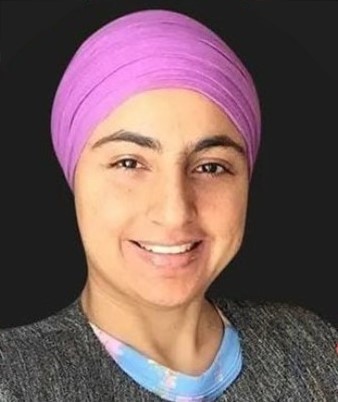
Ekta Grewal, Founder, Sikhs In Clinical Research

Community engagement remains a critical component in addressing gaps in healthcare access, education, and participation in clinical research. SICR’s ongoing outreach efforts focus on fostering trust, improving understanding, and increasing awareness of reliable health information and research opportunities.
Through community interactions and educational initiatives, SICR has identified several key barriers that impact access to healthcare and clinical research, including limited awareness, cultural considerations, and logistical challenges such as time constraints.
Educational outreach efforts include sharing resources on how clinical trials operate, including information on regulatory oversight and the informed consent process. Publicly available platforms such as ClinicalTrials.gov are also introduced as tools to help individuals explore relevant studies based on their condition and location.
SICR has emphasized the importance of culturally responsive care in healthcare settings. In one instance, a healthcare provider utilized a Sikh patient care resource to better understand and accommodate a patient’s needs during a medical procedure. Such efforts highlight the role of cultural awareness in improving patient experience and comfort.
In addition, community feedback has underscored the need for more inclusive clinical trial design. Factors such as work schedules, transportation, and frequency of study visits can significantly impact an individual’s ability to participate. Incorporating community perspectives early in the research design process may help improve accessibility and participation.
Preventive care and early awareness also remain key focus areas. Community engagement efforts have revealed gaps in knowledge around routine screenings and disease prevention, reinforcing the need for accessible, culturally relevant health education.
SICR continues to advocate for stronger collaboration among healthcare stakeholders, researchers, and community organizations to support equitable access to health information and opportunities in clinical research.
“Community engagement is essential to building trust and improving health outcomes,” said Ekta Grewal, founder of SICR. “Efforts that prioritize education, transparency, and cultural understanding can help ensure individuals are empowered to make informed decisions about their health.”
By focusing on education, accessibility, and trust-building, SICR aims to improve awareness and participation in healthcare and clinical research, contributing to better health outcomes.
Ekta Grewal
Sikhs In Clinical Research
+1 847-454-3872
egrewal@sikhsinclinicalresearch.com
Visit us on social media:
LinkedIn
Instagram
Facebook
YouTube
X
Legal Disclaimer:
EIN Presswire provides this news content "as is" without warranty of any kind. We do not accept any responsibility or liability for the accuracy, content, images, videos, licenses, completeness, legality, or reliability of the information contained in this article. If you have any complaints or copyright issues related to this article, kindly contact the author above.
