

Samad's House Founder Tahira Malik Shares Her Redemption Story and Life-Saving Mission On 101.7 The Truth

Malik’s story underscores the possibility of redemption, healing, and community-driven recovery for people affected by substance use
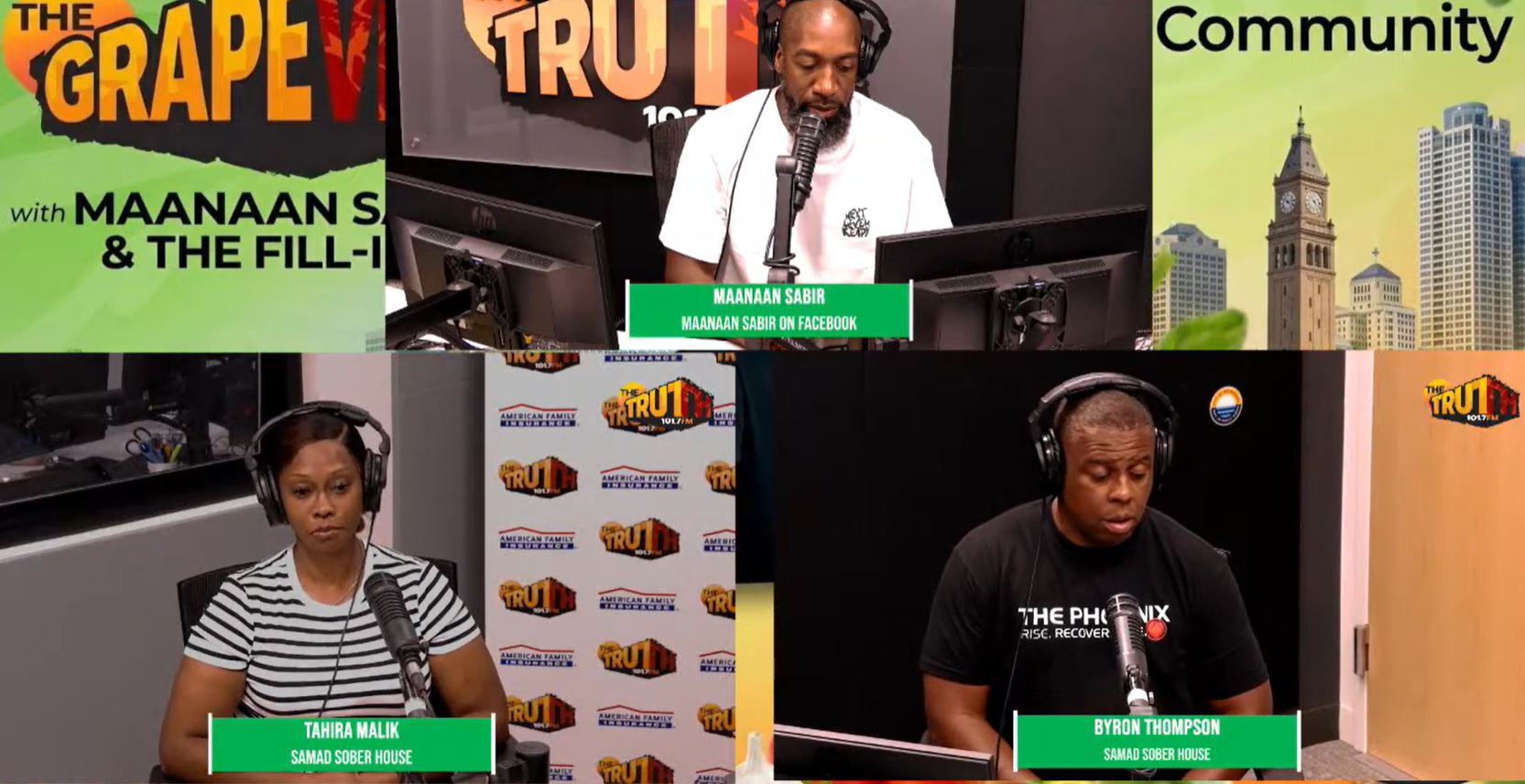
MILWAUKEE, WI, UNITED STATES, July 10, 2026 /EINPresswire.com/ -- On The Grapevine on 101.7 The Truth, Tahira Malik, founder of Samad’s House, shared her deeply moving story of transformation—from opioid use and incarceration to 14 years of recovery and the founding of one of the Midwest’s leading sober living homes for women, and a vital harm reduction resource. Now featured in the PBS Independent Lens documentary Coming Home, Malik’s journey is a testament to resilience, compassion, and the unshakable conviction that no one is beyond redemption.
Malik spoke candidly about the depths of her substance disorder during the show, the pain of separation from her oldest daughter, and the community-driven mission that has helped more than 75 women reclaim their lives since 2020. Like many others, her path to substance use wasn’t supposed to happen. After the birth of her first child, a car crash left her in chronic pain and reliant on painkillers. What started as a prescription slowly became a way to blind the pain.
The physical grip of opioid dependency soon overtook her days. "I was addicted to opioids. So that was a physical sickness," she explained. "If I didn't have that substance, I was physically sick. Every bone in my body hurts. I couldn't get up and prepare my children for school because I was in too much pain. I had to figure out how to get some money and how to get this substance. All of this plotting and scheming."
For Malik, the road to recovery came from an unexpected place. She had the will to change, but didn’t know where to begin—then change was forced on her.
"For me, when I was ready to recover, I didn't know where I could go to begin that process," she said. "And ultimately, it led me into incarceration, and that's where I became sober. I already had the mindset that I wanted to become sober. I just didn't know how to do it. And unfortunately, jail provided that space for me — or fortunately it did, because had that not happened, I may not be sitting before you today."
Fourteen years later, Malik speaks with clarity about what recovery has given her. "It's easier living in recovery than living in addiction," she said. "Living in recovery is so much easier than living in addiction."
Some of the deepest wounds Malik has worked to heal are within her own family. During her struggle, she made the painful decision to send her oldest daughter, Samia Harris, to live with her father at just six years old.
"I thought the best thing to do was let her go and live with her father," Malik shared. "She did that for about five years. But what came from that, because I had two younger children, was that she felt a sense of abandonment. She asked, why didn't you keep me? I thought I was doing the best thing because I was struggling. I mean, literally struggling."
That separation left a mark that mother and daughter continue to address together. "She and I have had to work through that, through counseling, and we still work through that, because I love my children," Malik said. As a single mother most of her life, she credits her family for helping her endure. "Outside of my parents helping me, I've been a single mother all my life. So I'm blessed to have such great and wonderful parents and such a supportive family."
The PBS Independent Lens documentary "Coming Home" chronicles Malik's extraordinary journey from addiction and incarceration to recovery and the founding of Samad's House. Her story drew the attention of producers in the San Francisco Bay Area whose connection to the subject was deeply personal. "They wanted to do a segment because she had lost her brother, who was struggling with opioid use," Malik explained. "She wanted to do a story on someone else who struggled with substance use, and she wanted to tell my story."
The project took a couple of years to complete, and it became far more than a portrait of one woman. It became a shared reckoning between Malik and her daughter.
"It was deeply personal because it wasn't just me, it was my daughter," she said. "It's one thing to have a substance disorder as an adult. But it's a different component when you have a daughter who is experiencing what you are going through. The documentary allowed her to have a voice and talk about dealing with a mother and addiction. We could better communicate and address those abandonment issues that she felt."
One of the film's most striking moments captures Malik confronting her own past. "They wanted to see, oh my God, this infamous mugshot," she recalled.
"Now I can talk to you all day about my living in addiction. But when you actually see the depths of what substance use can do to a person, that's a whole different level. But not only to be able to see that, but then to be able to see the bounce back."
That "bounce back" carries a message Malik wants the world to hear. "Society gives up on people with substance disorders or mental health issues. They see you on the corner, they see you begging. But they don't ever see the true potential of who that person could be or was. And I was one of those people. I was one of those forgotten people," she said. "But see, that was the trial I needed to go through to come out of that fire. To be able to help, you have to have that compassion, that empathy to be able to relate to someone who may be at the stage that you once were."
Since opening its doors in 2020, Samad's House has grown into a lifeline for Milwaukee women. The organization operates three sober living homes and a behavioral health clinic, providing 120-day intensive programming for women and women with children recovering from substance use disorder. In just five years, it has helped more than 75 women and nearly a dozen families reclaim their lives.
Malik built the organization on a simple but radical idea: give back to the same community that once tore you down. "It's one thing to come into recovery and start rebuilding your life," she said, "but then we talk about that community support, that collective type of wanting to give back to the same community that once tore you down. And that's where harm reduction came into play."
At the heart of Samad's House outreach is its Ambassador Program. Every Ambassador is a graduate of a recovery program who has completed 120 days and remained active for the following six months. Trained in the use of naloxone, fentanyl test strips, and other harm reduction tools, they go directly into Milwaukee neighborhoods — meeting people without judgment and without conditions.
"An ambassador goes out into the community and provides naloxone, test strips, and other harm reduction resources," Malik said. "Our ambassadors went into the community to educate and also to provide naloxone, to provide fentanyl testing strips, and show how to use those items so that you could save a life, so that you could live another day."
The stakes could not be higher. When Malik launched the effort, Milwaukee was facing a devastating crisis. "In 2022, there were 674 fatal drug overdoses across Milwaukee County," she noted. Since 2024, Samad's House has distributed more than 2,300 naloxone packages and fentanyl test strips throughout the community. Ambassadors use their lived experience and personal histories to connect with individuals who might otherwise hesitate to seek help — becoming trusted messengers in the neighborhoods that need them most.
Malik's journey is far from over, and that is precisely the point. Her life stands as living proof that recovery is possible, that families can heal, and that the people society writes off often carry the greatest capacity to lift others up.
"Coming Home" continues to reach audiences, projecting Malik's message far beyond Milwaukee.
About Samad's House
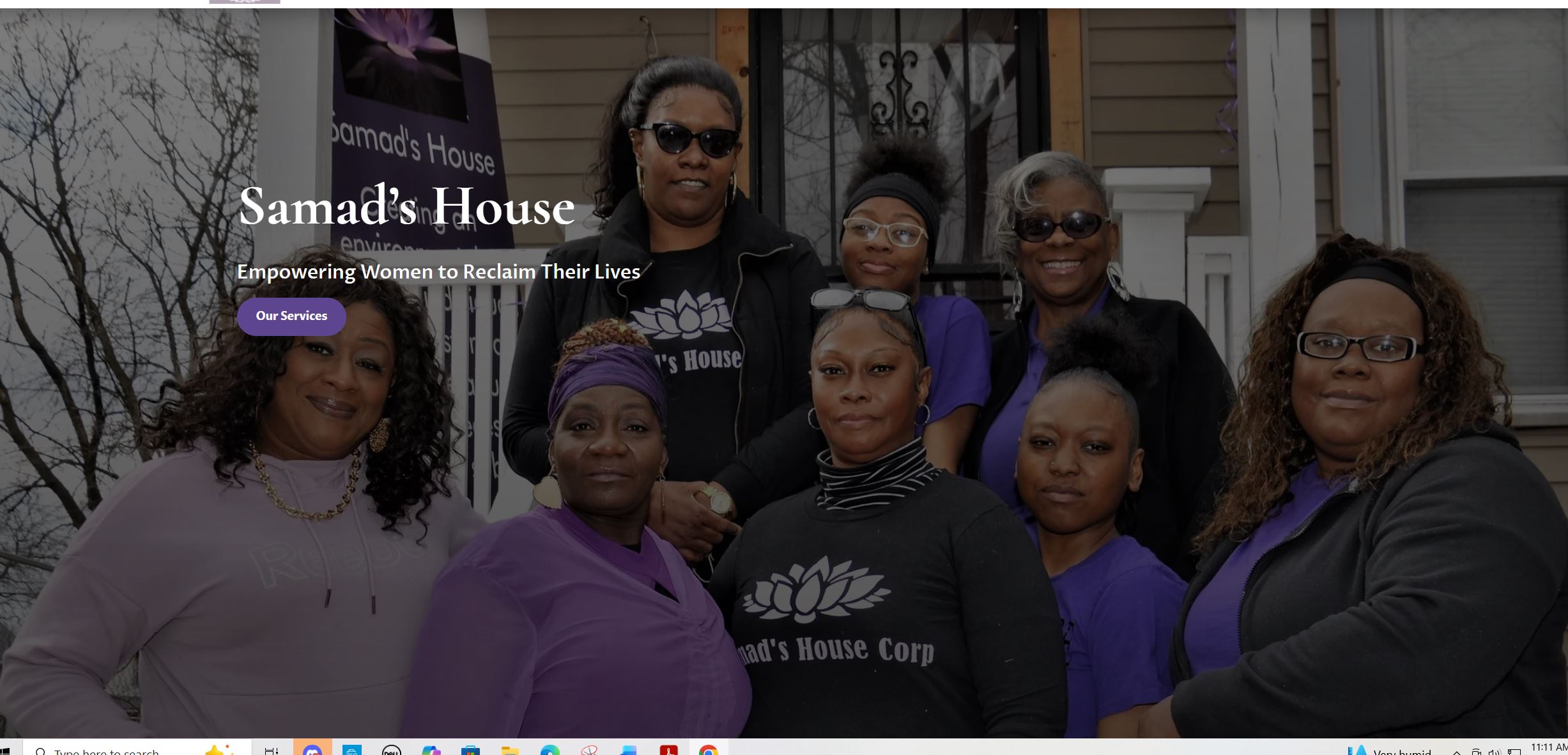
Samad's House is a Milwaukee-based nonprofit organization dedicated to supporting women and families in recovery from substance disorders. Founded by Tahira Malik, the organization operates three sober living homes and a behavioral health clinic offering comprehensive, 120-day intensive programming. Through holistic services, harm reduction tools, and a focus on mind, body, and spirit, Samad's House empowers individuals to rebuild their lives and achieve lasting wellness. Its Ambassador Program trains recovery program graduates to conduct direct community outreach, distributing naloxone and harm reduction resources across Milwaukee. For more information, visit samadshouse.org.
Michael K. Frisby
Frisby & Associates
+1 202-625-4328
email us here
Legal Disclaimer:
EIN Presswire provides this news content "as is" without warranty of any kind. We do not accept any responsibility or liability for the accuracy, content, images, videos, licenses, completeness, legality, or reliability of the information contained in this article. If you have any complaints or copyright issues related to this article, kindly contact the author above.
